

Aluminum PCB

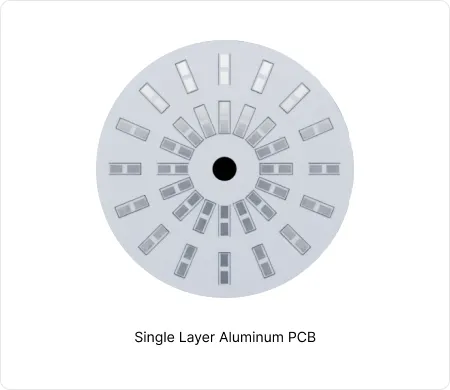
Aluminum PCB is a cost-effective heat dissipation circuit board constructed with high-purity aluminum (≥99.6%) as the thermal substrate, combined with low thermal resistance insulating media (thermal silicone gel, aluminum oxide ceramics, or modified epoxy resin) and conductive copper foil. Through an integrated design featuring rapid heat conduction via the aluminum core layer and electrical isolation via the insulating layer, it effectively addresses heat dissipation challenges for medium-power devices. It serves as the mainstream thermal substrate in fields such as LED lighting, power electronics, and automotive electronics.

Learn More About Capabilities
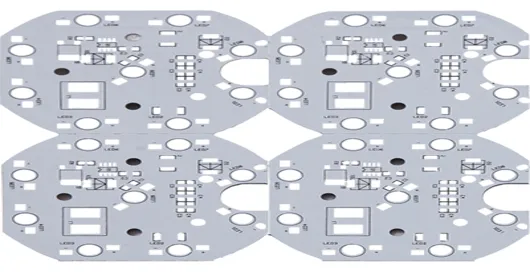
CEZON Aluminum PCB Classficiations

  • Aluminum-based Copper Clad Laminate GM-AL Series
  • Special Copper-Clad Laminate GM-CU Series
  • MLT-002: Aluminum base, copper foil, FR4 glass cloth (Tg 130-170)

  • MLT-007: Thick copper foil (40z-100z) laminate, high current. High-power circuits.

Aluminum PCBs Manufacturing Insights

Structural Features of Aluminum PCB

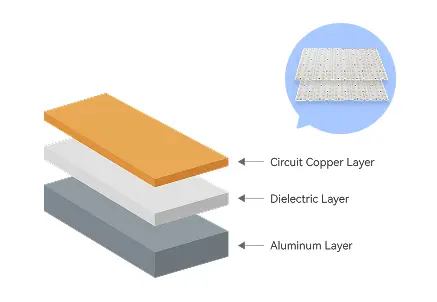
Aluminum PCBs feature a unique multi-layer structure designed to achieve excellent heat dissipation, mechanical stability, and electrical performance. They are mainly composed of three layers: the copper foil circuit layer, the thermally conductive dielectric layer, and the aluminum base layer.


The circuit layer serves the same function as that on a conventional PCB. It is made of high-quality copper foil with a thickness typically ranging from 1 oz to 10 oz, ensuring reliable conductivity and superior current-carrying capability.


The dielectric layer is a thermally conductive insulation material with low thermal resistance, which plays a key role in transferring heat from electronic components to the base. It is usually made from a polymer filled with special ceramics, offering excellent viscoelasticity, strong resistance to thermal aging, and the ability to withstand high thermal stress.


The base layer consists of aluminum, providing a solid mechanical foundation and exceptional heat dissipation performance. This structure allows components to maintain stable operation under high-power or high-temperature conditions, significantly improving product reliability and extending service life.

Aluminum PCBs FAQs

Q1: Why are aluminum PCBs white?
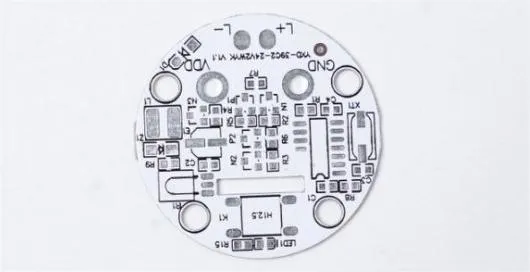
A1: Aluminum PCBs are often white because the solder mask or surface finish applied to the board is white. The white layer helps reflect heat away from components, improves light reflection in LED applications, and provides a clean surface for printing and assembly. This color does not affect the board’s performance but enhances its thermal management and aesthetic appeal, especially in LED lighting applications.
Q2: How to choose aluminum core PCB?
A2: When selecting an aluminum core PCB, consider the copper thickness, dielectric thermal conductivity, board size, and application requirements. Thicker copper ensures better current capacity, while high-performance dielectric layers provide low thermal resistance and efficient heat transfer. Additionally, check the aluminum base quality and compatibility with your components to ensure durability and stable performance for high-power or heat-sensitive applications.
Q3: Why choose CEZON as an aluminum PCB manufacturer?
A3: With years of experience in LED lighting, power supply, and electronics industries, CEZON ensures reliable thermal management, strict quality control, and fast production turnaround. Choosing CEZON means getting trusted performance, extended component lifespan, and professional support for all your aluminum PCB projects.

Get in Touch