


Copper Core PCB

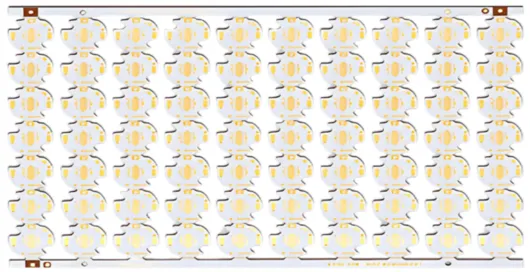
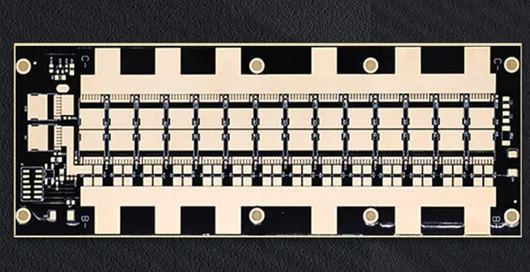
A copper base PCB is a high-thermal-conductivity circuit board that uses high-purity electrolytic copper (≥99.9%) as the core heat-conducting layer, combined with low-thermal-resistance insulating materials such as aluminum nitride ceramic, modified epoxy resin, or polyimide, and conductive copper foil. Through a dual design of direct heat conduction via the copper core and electrical isolation by the insulating layer, it effectively solves the heat dissipation challenges of high-power components, making it an ideal substrate for electronic devices with high power density and operation in high-temperature environments.

Learn More About Capabilities
Copper Core PCB Material & Thickness Selection

  • Copper Base PCB Material Guide
  • Copper Core PCB Thcikness Guide
  • Choosing the right copper core PCB material depends on thermal conductivity, electrical insulation, mechanical strength, weight, and budget. Copper offers excellent heat spreading for high-power applications, while aluminum may be suitable for cost-sensitive designs. Evaluate the dielectric layer's thermal conductivity and insulation properties alongside the copper base to ensure efficient heat transfer and reliable operation. Working with an experienced copper core PCB manufacturer helps optimize material selection, stackup design, and manufacturability for your specific thermal management requirements.

    How to Choose Core PCB Material?
  • Selecting the right metal core PCB thickness requires balancing thermal performance, mechanical strength, weight, and manufacturing cost. A thicker copper base PCB provides greater rigidity and lateral heat spreading, while a thinner profile can reduce weight and material usage. Consider power dissipation, operating temperature, mounting conditions, available space, and dielectric thickness before finalizing your design. Thermal simulations and prototype testing help validate performance, while consulting your copper core PCB manufacturer early ensures the selected thickness meets fabrication tolerances and application requirements.

    Copper Core PCB Thcikness Best Practice

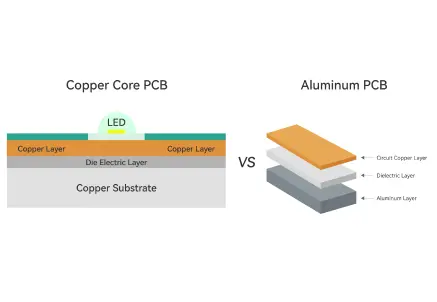
Copper Core PCB vs Aluminum Core PCB


Copper core PCBs offer higher thermal conductivity than aluminum core PCBs, making them suitable for high-power applications that require efficient heat spreading and precise temperature control.


Aluminum core PCBs are generally lighter and more cost-effective for applications with moderate thermal demands. The best choice depends on heat dissipation requirements, board weight, mechanical design, and budget.


Copper core PCBs are often preferred for demanding thermal management applications, while aluminum core designs provide a practical balance between performance and cost.

Copper Core PCBs FAQs

Q1: What Are the Main Benefits of Copper Core PCB for Thermal Management?
A1: A copper core PCB provides excellent thermal conductivity, helping transfer heat away from high-power components and distribute it across the board. This can reduce localized hotspots and help maintain stable operating temperatures in LED lighting, automotive electronics, power supplies, and industrial equipment. Overall thermal performance also depends on dielectric conductivity, layer thickness, component layout, and the cooling system.
Q2: What Role Does PCB Copper Balance Play in PCB Fabrication?
A2: Copper balance ensures that copper is evenly distributed across the PCB layers. A well-balanced design helps prevent board warping, uneven etching, and plating defects during manufacturing. Maintaining proper copper balance improves mechanical stability, dimensional accuracy, and overall product reliability.
Q3: What's Copper PCB Design Requirements?
A3: Copper PCB design requires careful attention to trace width, spacing, copper thickness, and thermal management. Designers must ensure proper current-carrying capacity, heat dissipation, and mechanical stability. In multilayer boards, copper balance and grounding are also critical to prevent warping and ensure signal integrity.
Q4: How Do You Choose the Right Copper Core PCB Material and Thickness?
A4: Choosing the right copper core PCB material and thickness requires evaluating heat generation, thermal conductivity, dielectric properties, mechanical strength, available space, and manufacturing cost. A thicker copper base may improve lateral heat spreading and structural rigidity, but the overall board stackup must be considered. Engineers should also assess insulation requirements and operating conditions before finalizing the design.

Get in Touch